
Many students love the idea of becoming a paramedic when they graduate, but how do you really mentally prepare yourself for such a challenging and emotionally taxing job? Here are some of the strategies and methods we recommend for those who want to get into this industry. We take a look at all of the foundational requirements, including knowledge, gaining certification, and hands-on experience that you might want to entertain.
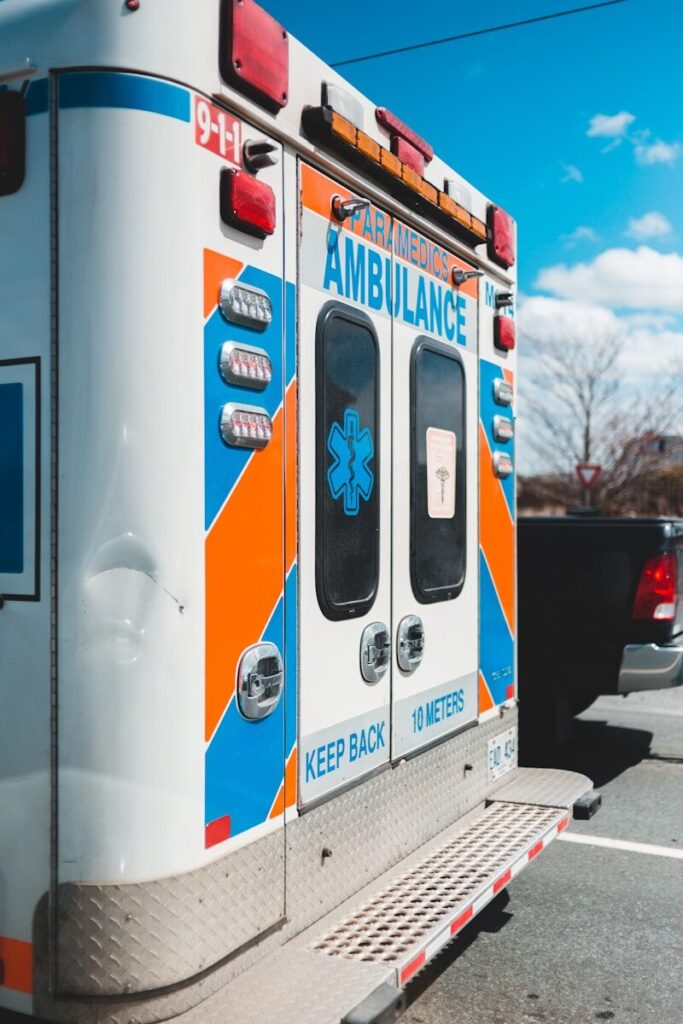
Meet the basic requirements
First of all, you’ll need to meet the basic requirements. For some of these, you’ll have to wait if you’re still at college.
- You’ll need to start by owning a high school diploma or some sort of equivalent program.
- You’ll need to be 18 years old at least or 21 years old, depending on the department that you apply for.
- You’ll also need a valid driver’s license, and you’ll have to pass background checks, including drug screening.
Make sure that you get all of this right and start the ball rolling while you’re still in college. Also try to study subjects in college that will provide you with a solid base for the professional career learning that you’ll do as a paramedic.
Get first-hand experience
At the same time, you’ll also want to get first-hand experience of what it’s like to be a paramedic. This type of job is difficult to really comprehend ahead of time, so it’s a good idea to join the ride-along program at Royal Ambulance to see more. This will give you a real insight into what the job is actually like and whether it’s something that you want to do long term.
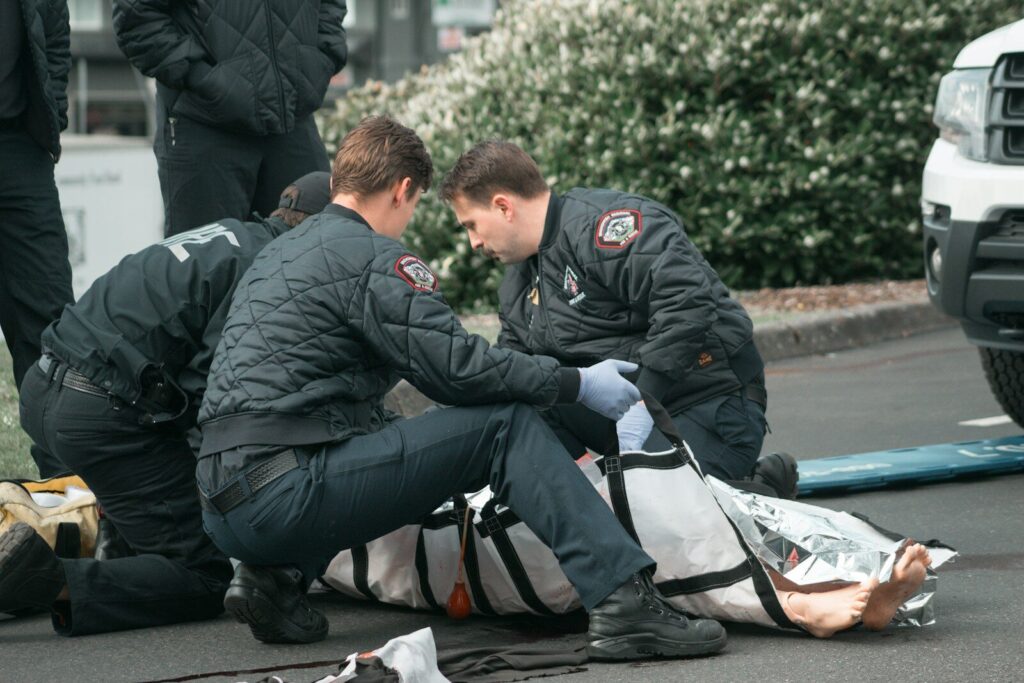
Become an EMT
If you are planning to join a paramedic program, then you’ll want to train first or gain some prior experience as an emergency medical technician (EMT) or equivalent, depending on your location. These technical jobs provide you with course skills that you’ll need to become a paramedic, such as:
- patient assessment
- oxygen administration
- CPR
- basic airway management
Most of your work as a paramedic will be helping people who are experiencing extreme cardiac events or respiratory failures. Understanding these in detail is a core part of knowing the job and how to benefit the people that you serve.
Complete accredited paramedic training
Depending on your location, you’ll also need to complete accredited paramedic training. Usually, this training takes between one and two years, and you’ll need to spend at least 1,200 to 1,800 hours training for the job. You will have various pre-requisites, including:
- Anatomy and physiology courses
- EMT certification
- CPR basics
- Sometimes IV therapy if you need to administer it on site
The more learning that you can include early on in your career, the better, as it will set you up for a faster career track in the future.
Pass your exams and get licensed
The last step is to pass your exams and get a licence. You’ll need to usually do this at the local authority level. Check the requirements in your area and what is expected of you.