
Ever wonder how some professionals seem to leap ahead in their careers while others stay stuck? The answer is often education—specifically, a master’s in information technology. This degree isn’t just another checkbox on your resume. It can act as a true accelerator, giving you the tools, insights, and connections to move forward fast.
Information technology drives nearly everything—business, healthcare, education, even how we relax and entertain ourselves. From data systems and cybersecurity to cloud computing and AI, a master’s degree gives you a command of the tech that powers our world.
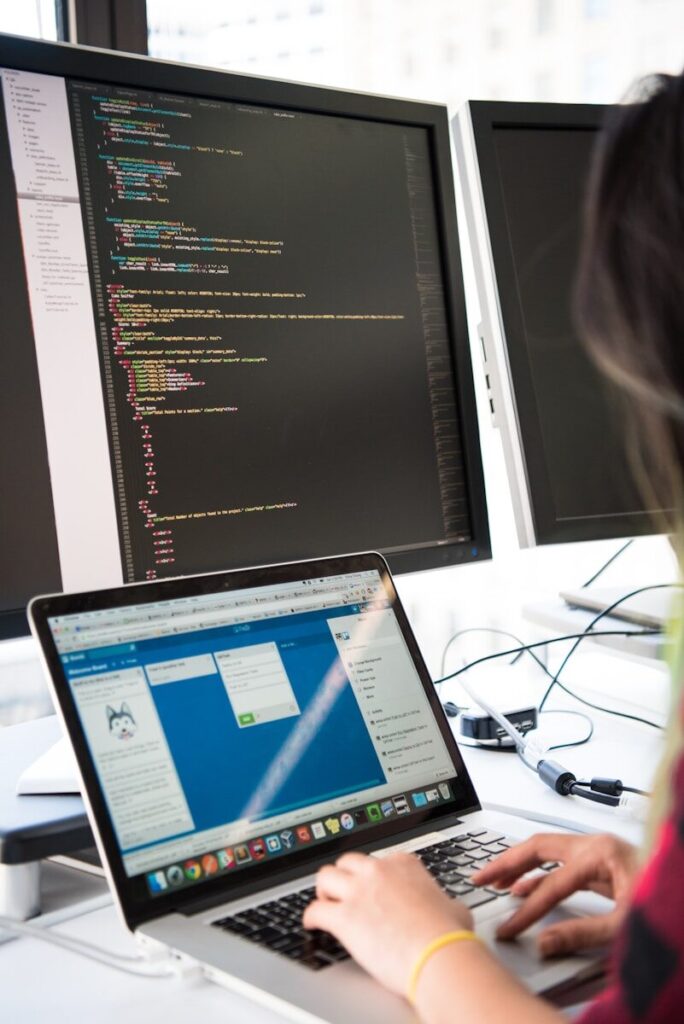
In this guide, we’ll break down what information technology actually is, why it matters, how it’s used, where it’s headed, and how a master’s degree can set you apart. You’ll also find out which roles are hiring, what skills matter most, and where you can take your next step.
Understanding Information Technology
Information technology (IT) is the use of computer systems, networks, and data storage to process and communicate digital information.
It’s everywhere—from the apps you use on your phone to the systems that run entire companies.
The Evolution of IT
- 1960s–1980s: Mainframes and early programming languages
- 1990s: Rise of personal computers and the internet
- 2000s–2010s: Smartphones, social media, and cloud computing
- Today: AI, IoT, blockchain, and remote work tech
Core Components of IT
- Hardware: Computers, routers, servers, sensors
- Software: Operating systems, CRMs, productivity apps
- Networks: Local area networks (LANs), cloud networks, internet
- Data: Structured and unstructured information used for analysis and decisions
Learn more about information technology and how systems and tools evolve with demand.
Why Information Technology Matters
IT does more than support companies—it fuels their growth.
1. Facilitating Communication
- Enables video calls, instant messaging, and team collaboration tools
- Breaks down global barriers through real-time connection
2. Boosting Business Operations
- Automates repetitive tasks and improves accuracy
- Helps track inventory, sales, and customer data efficiently
3. Driving Innovation
- Powers product design, simulations, and prototypes
- Supports data-driven decisions and machine learning models
Real-World Applications of IT
Let’s look at where IT shows up in your everyday life.
In Business
- E-commerce: Running online stores, tracking logistics
- Digital marketing: Data analytics, targeted ads
- Finance: Automated billing and financial reporting systems
In Healthcare
- EHRs: Safely store and access patient records
- Telehealth: Video consultations, remote monitoring
In Education
- Virtual learning: Online courses, webinars, mobile learning apps
- Digital tools: Google Classroom, Blackboard, Zoom
In Entertainment
- Streaming platforms: From Netflix to music apps
- Online gaming: Multiplayer systems, in-game transactions
- Music and media: Audio production, digital editing
Careers in Information Technology
The IT Job Market
Information technology jobs are expected to grow faster than average over the next decade. Companies want talent that can solve real problems and secure their digital operations.
Common IT Roles
- IT Technician: Fixes hardware/software issues on-site or remotely
- Support Specialist: Helps users resolve technical problems
- QA Tester: Finds bugs before software goes live
- Web Developer: Builds and maintains websites and apps
- IT Security Specialist: Protects data from hackers and threats
Key Skills for Success
- Problem-solving and analytical thinking
- Familiarity with programming languages and databases
- Cybersecurity awareness
- Cloud computing experience
- Project management and communication
A master’s degree in information technology develops these abilities while also preparing you for leadership roles.
Emerging Trends in IT
Keeping up with trends keeps you valuable in any tech-driven role.
Artificial Intelligence (AI) & Machine Learning
- Predictive analytics
- Chatbots and voice assistants
- Workflow automation
Cloud Computing
- Scalable storage and remote access
- Faster deployment and lower costs
Cybersecurity
- Threat detection tools
- Encryption and secure authentication
Internet of Things (IoT)
- Smart homes and industrial sensors
- Real-time data tracking
5G Networks
- Faster mobile connections
- Smarter cities and connected vehicles
Challenges in Information Technology
Even with growth, IT comes with hurdles.
Data Security & Privacy
- Personal info can be exposed through breaches
- Compliance laws like GDPR and HIPAA matter
Staying Updated
- Tech changes fast, and skills can quickly become outdated
- Professionals must keep learning
Budget Constraints
- Some companies delay needed upgrades due to cost
- Balancing innovation and affordability is critical
Future of IT
What’s coming next in tech?
Quantum Computing
- Processes data at speeds we’ve never seen
- Could change encryption, AI, and more
Edge Computing
- Data is processed closer to the source, not the cloud
- Reduces lag and improves speed
Social and Ethical Impact
- AI bias, data misuse, and digital ethics are real concerns
- IT will help solve climate, education, and healthcare problems—if used wisely
FAQs About Information Technology
Q: What’s the difference between IT and Computer Science?
A: IT focuses on applying technology in practical settings, while Computer Science explores the theory behind algorithms, systems, and programming.
Q: How does IT impact everyday life?
A: IT touches banking, shopping, work, health, and social connection. Most people use IT tools daily without even realizing it.
Q: Do I need a master’s to work in IT?
A: Not always, but it helps if you’re aiming for leadership or specialized roles in data, security, or systems design.
Q: What industries hire IT professionals?
A: Healthcare, finance, retail, logistics, government, and more.
Final Thoughts
Earning a master’s in information technology could be your fastest route to career growth. It builds knowledge, improves your resume, and shows employers you’re serious about success. Whether you’re just starting or ready to level up, IT has a place for you—and the future needs your skills.